
Common Standing Water Causes in White Pine
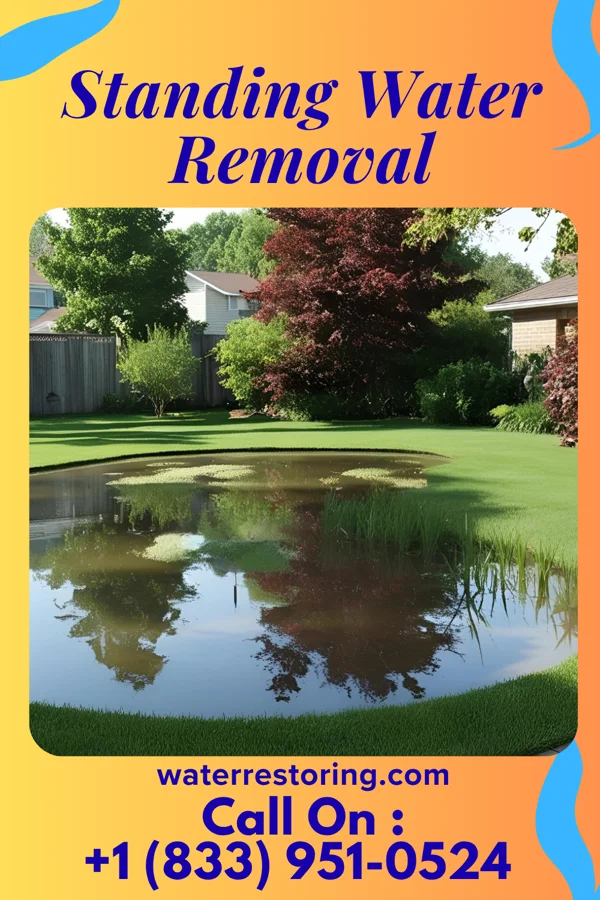
Most standing water removal calls in White Pine come from In White Pine, Tennessee, the primary cause of water damage is often due to heavy rainfall and flooding from nearby streams and rivers, particularly during the spring thaw and summer storms. Additionally, aging infrastructure in rural areas can lead to burst pipes and sewer backups, especially in older homes.. A close second is Secondary causes include leaking roofs from damaged or outdated materials, groundwater seepage into basements, and improper drainage around properties. These issues are exacerbated by the rural setting and the lack of modern stormwater management systems.. If you know what is about to happen, the decisions during the first 48 hours get a lot easier.
White Pine experiences a humid subtropical climate with frequent thunderstorms and heavy rainfall, increasing the risk of sudden water intrusion. The region's topography, with nearby hills and valleys, can also contribute to localized flooding and water accumulation.
Most standing water removal calls in White Pine come from In White Pine, Tennessee, the primary cause of water damage is often due to heavy rainfall and flooding from nearby streams and rivers, particularly during the spring thaw and summer storms. Additionally, aging infrastructure in rural areas can lead to burst pipes and sewer backups, especially in older homes.. Running a close second is Secondary causes include leaking roofs from damaged or outdated materials, groundwater seepage into basements, and improper drainage around properties. These issues are exacerbated by the rural setting and the lack of modern stormwater management systems.. Local mold risk: Mold growth in White Pine can occur rapidly due to high humidity and frequent moisture exposure, making it critical to address water damage within 48 hours to prevent long-term health and structural issues.
For public guidance on the health effects of mold after prolonged water exposure, see the EPA mold and health page.